
Sectors
Capabilities
Specialisms
Better Stories, Bigger Impact is our ethos here at Brands2Life and this year it was a joy to see brands doing just that. The biggest lesson from Cannes Lions Health wasn’t that creativity has become bolder. It was that the best campaigns identified the uncomfortable conversations preventing healthier behaviours, then found creative ways to open them up.
From animated prostates singing about masturbation, to a steamy Valentine’s Day ad that ends with a hearing aid, to a nappy brand leaning hard into the one thing nappies are actually for: this year’s health category rewarded creative teams who looked straight at a taboo and asked, what if we just talked about it?
The most striking cluster of this year’s health winners centred on the things men historically refuse to discuss and what happened when brands refused to stay quiet about them too.
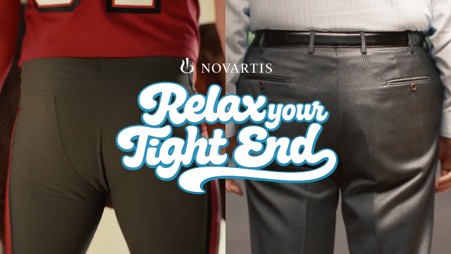
The Pharma Grand Prix went to ‘Relax Your Tight End’ for Novartis. It aired during Super Bowl LX and did something pharma campaigns aren’t always comfortable in doing, it was unapologetically funny. The insight driving it was simple but powerful. Many men avoid prostate screening not because they don’t know about it, but because they dread the exam. A comical hero film to the tune of Enya’s ‘Only Time’ introduced a blood test alternative, removed the dread and encouraged them to actually go. They saw a 367% jump in PSA test searches and triggered an update to AUA screening guidelines.
Two things made this work. The first is that embarrassment isn’t a cultural quirk; it’s a clinical barrier and the campaign was designed to dissolve it rather than route around it. The second is that the Super Bowl wasn’t just a media buy. Reaching men inside a cultural moment they already owned gave them the social cover to share something they’d never have engaged with in a health context. Channel choice was part of the creative idea.
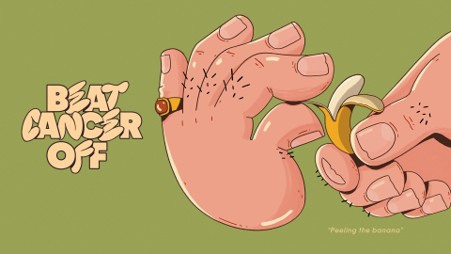
‘Beat Cancer Off’ for F*ck Cancer pushed further still. Built on research linking ejaculation frequency to lower prostate cancer risk, it delivered the message via a multilingual animated prostate, a tracking app and more euphemisms than most people knew existed. It won Gold in Health & Wellness and in a category full of awareness campaigns, did something rare, it demanded participation.
While men’s health dominated the Cannes pharma podium, women’s health campaigns were making their own statement, this time against a different kind of taboo, the institutional one.

‘The Period Uniform’ for Somos Martina tackled the reality that girls in many countries are still pulled out of school during their period, picking up Gold at the Sustainable Development Goals Lions for encouraging period knickers to be part of the mandatory uniform list for schools nationwide.
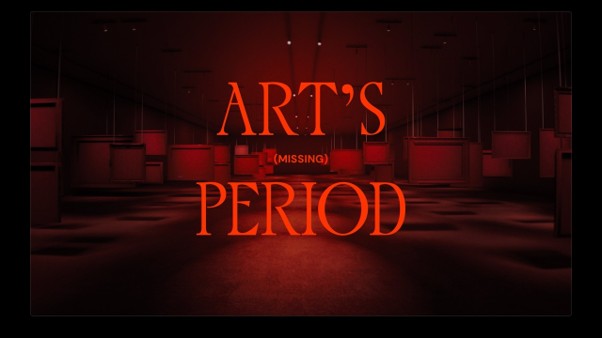
Perhaps the most culturally pointed of the women’s health work was Kotex’s ‘Art’s Missing Period’ which won Gold. It unearthed centuries of artwork depicting menstruation that had been censored or removed from galleries, from prehistoric carvings to contemporary pieces pulled for being “too sensitive.” Blood in violence: fine. Menstrual blood: banned. The strategic lesson here is pointed: when the clinical argument for a women’s health issue has been made repeatedly and hasn’t moved the needle, look for a cultural proof point instead. Kotex made the inequality of the taboo impossible to ignore in a way that statistics never had.
Women’s health taboos often live in institutions as much as in individuals. The creative task isn’t just to normalise a conversation; it’s to expose the structures that stopped it happening in the first place.
Not every taboo needs to be a life-or-death issue. Some of the most refreshing work this year tackled the indignities of ordinary human existence with cheerful directness.
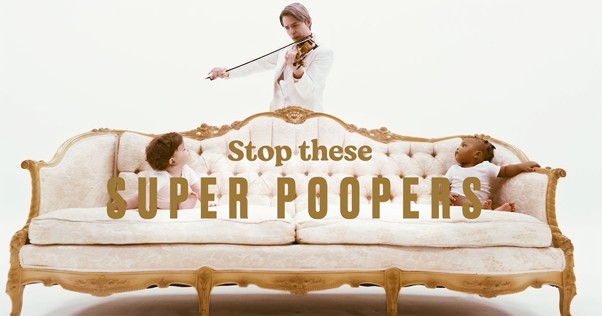
‘Expensive Sh*t’ for Huggies gathered 16 nappy-ready babies and surrounded them with half a million pounds worth of luxury items to stress-test their blow-out guarantee. Completely unapologetic about the reality of what nappies do, it won Gold in Brand Experience & Activation. The lesson is less about boldness and more about confidence, if the product claim is strong enough to withstand that level of proof, the campaign writes itself.
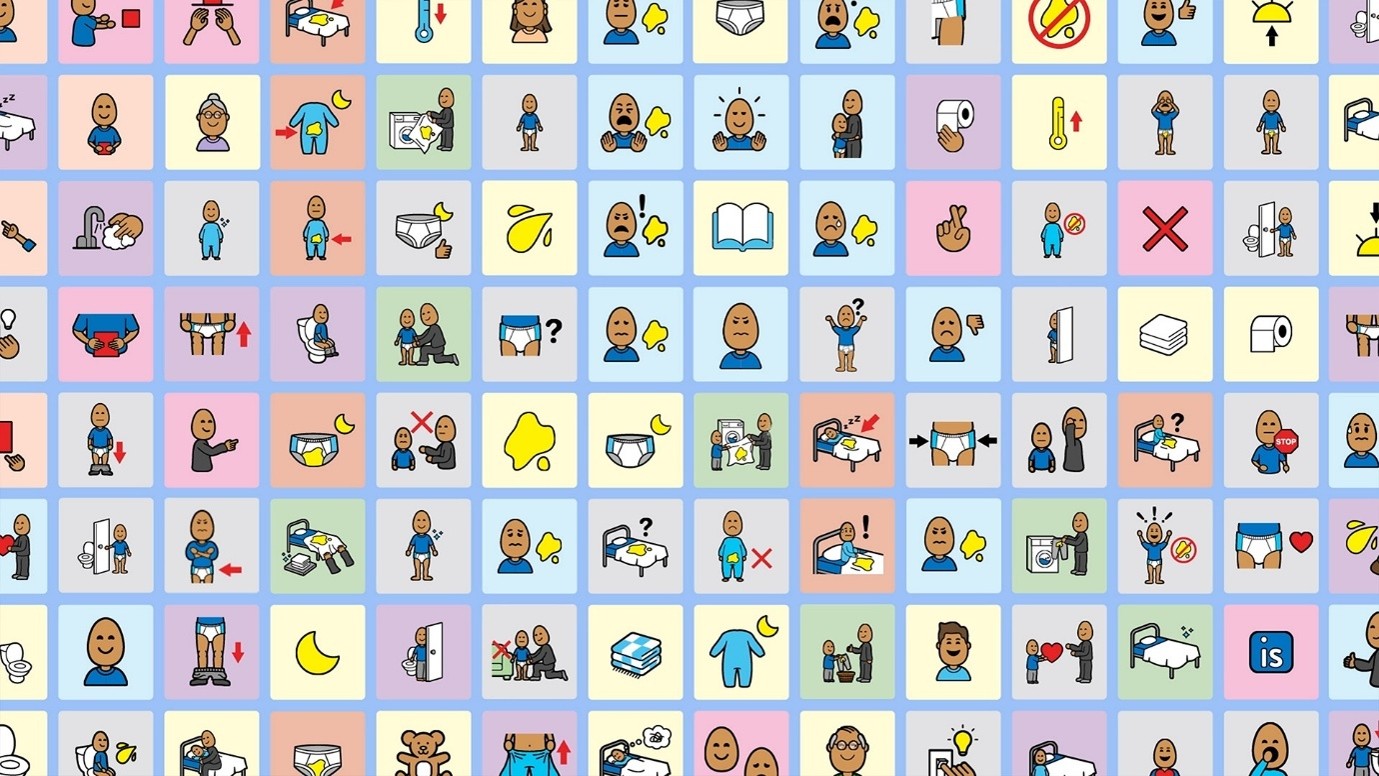
‘Language of Bedwetting’ for the Autism Society reframed bedwetting in autistic children not as something shameful to manage, but as a form of communication, a potential sign of anxiety or sensory overload. The app it introduced helped children communicate 400+ hard-to-express feelings. It won Gold in Digital Craft. A changed label changes behaviour and this campaign proved that reframing the meaning of a symptom can be as powerful as any awareness message.
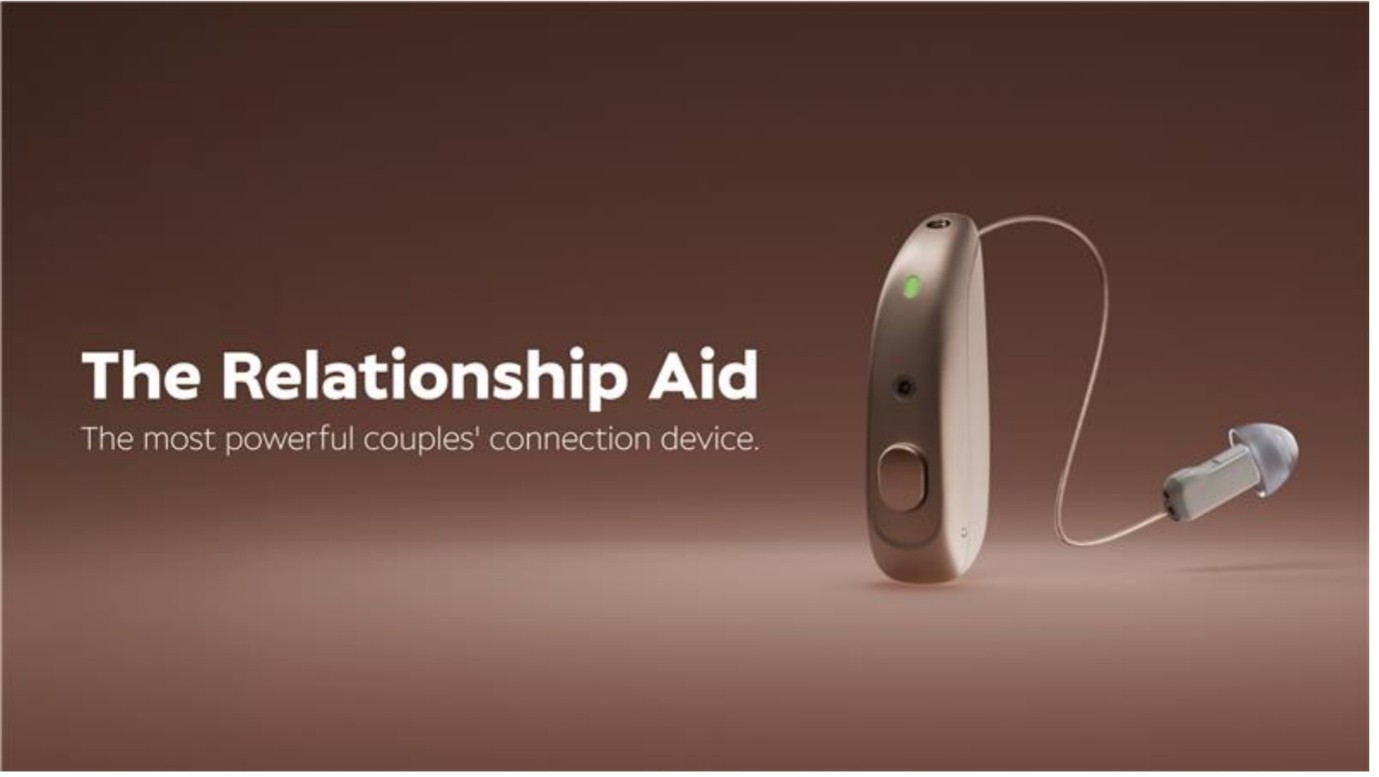
‘The Relationship Aid’ for Specsavers tackled the quietly devastating impact of untreated hearing loss on romantic relationships. The Valentine’s Day film opened steamy, pivoted to a hearing aid and won Gold in PR. Beyond the execution, the strategic move is worth noting – hearing aids were repositioned away from loss and decline and into intimacy and connection. Any health brand in a stigmatised category has the same opportunity, find the human territory the product actually belongs in, then own it.
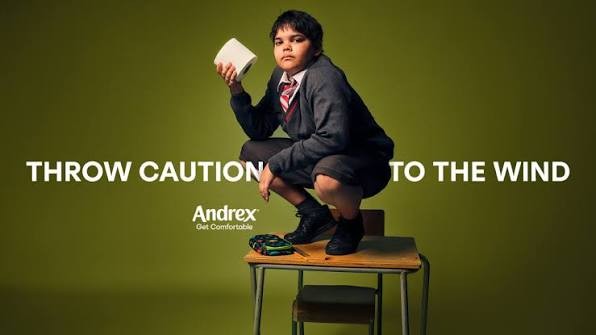
Finally, ‘First School Poo’ for Andrex (Kimberly-Clark), while not a Lion winner, deserves a mention for nerve. With 76% of children holding their poo in at school, the campaign turned a subject most brands would run from into something tender and genuinely useful.
There’s a temptation to look at these campaigns and conclude that taboo equals a shortcut to award gold. It doesn’t. What connects every winner here is something more specific, the taboo and the genuine behavioural barrier are the same thing.
The new benchmark isn’t shock. Its provocation grounded in evidence; insight that earns the right to be uncomfortable and creative ideas that change behaviour, not just conversation. The question to ask at the start of every health brief isn’t “how do we talk about this?” It’s “why aren’t people talking about it, and what would happen if they did?”
Cannes Lions 2026 showed us what happens. People get tested. Conversations open up. Lives change.
We’ve had the pleasure of generating campaigns just like these in the past, from raising awareness of bacterial vaginosis, encouraging women to get back to breast screening, launching the first ever OTC morning after pill to campaigning for better bowel cancer policies and even creating a real-life dating event, especially for the heartburn sufferers.
 See all