
Sectors
Capabilities
Specialisms
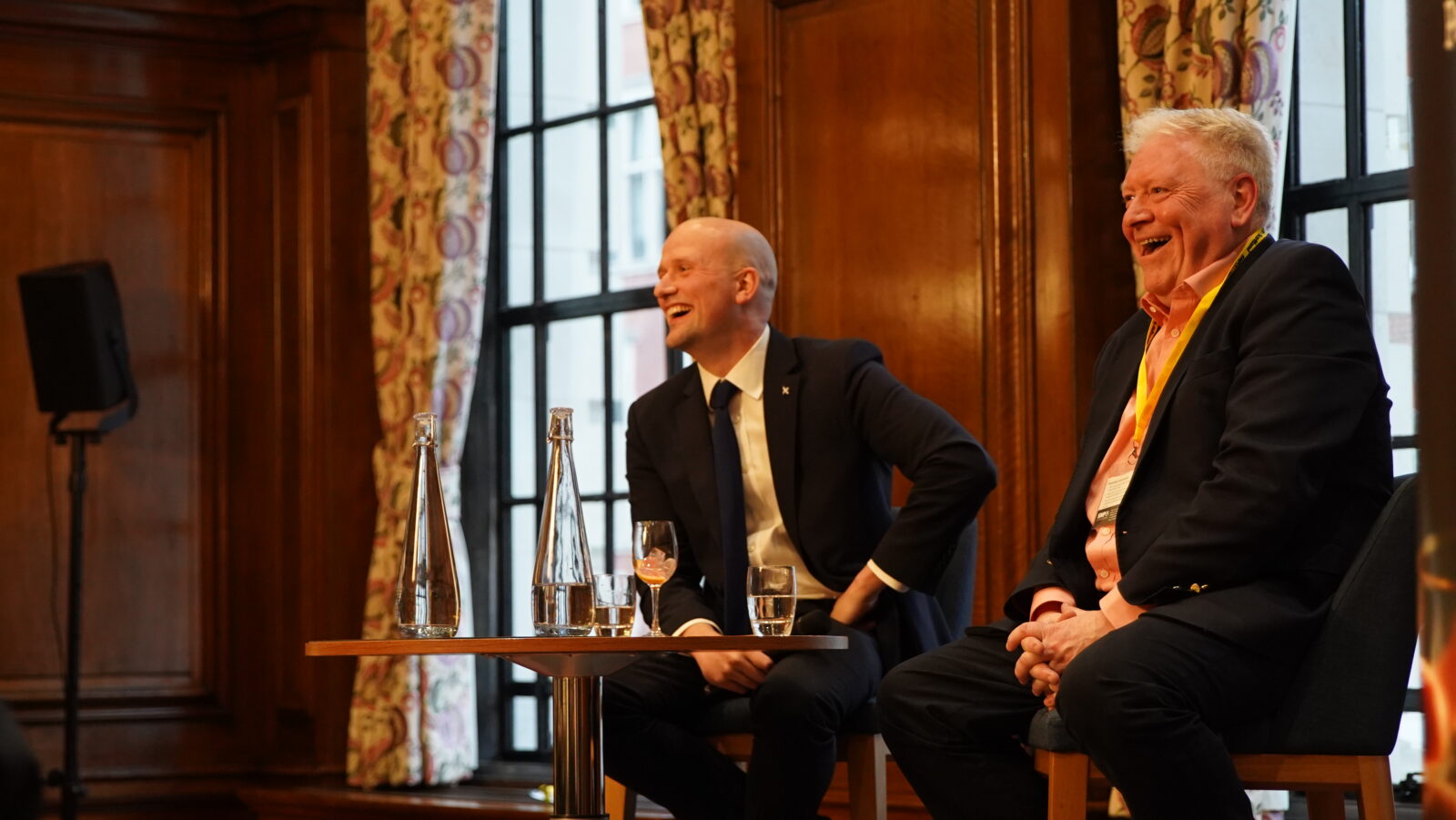
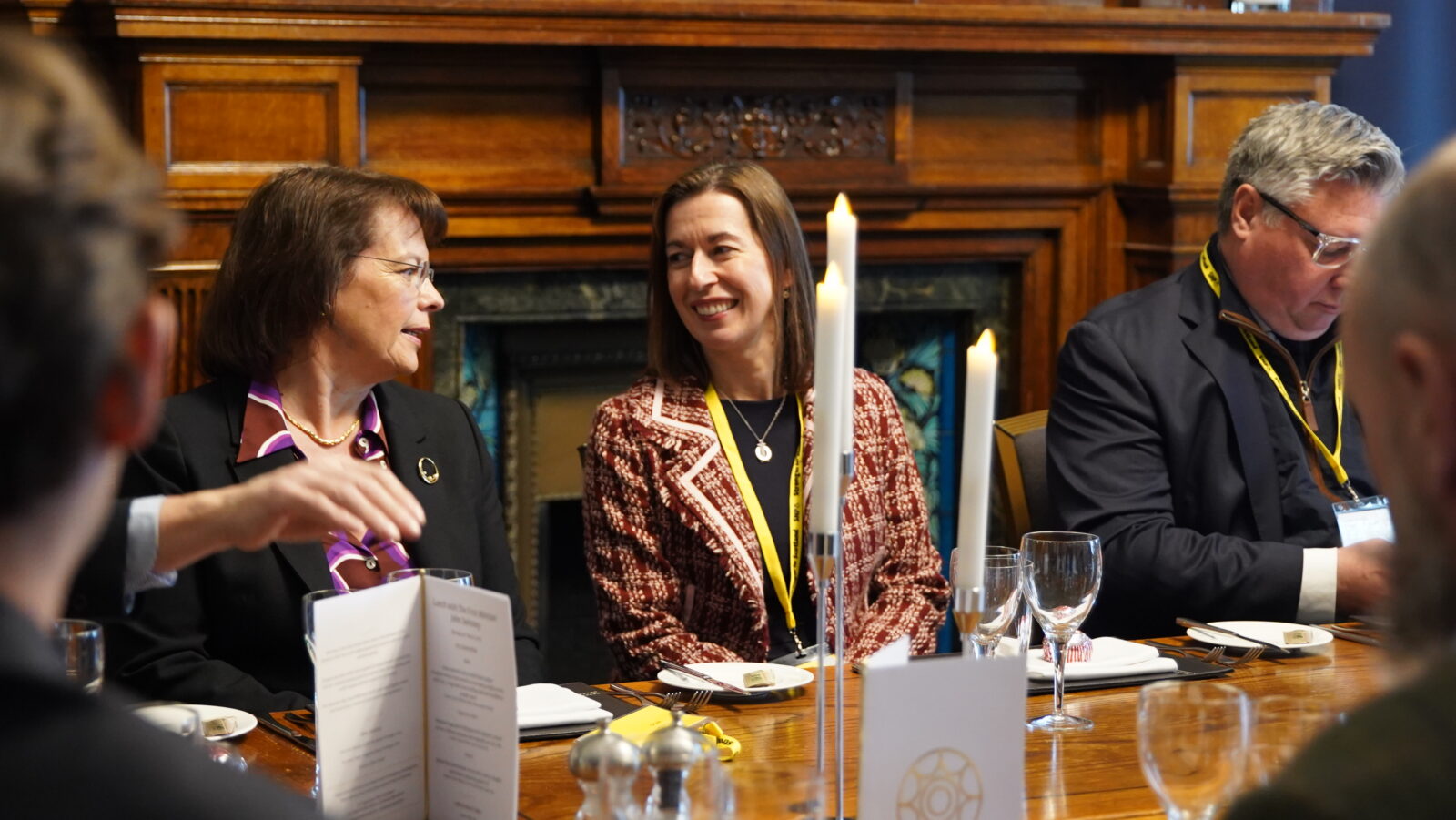
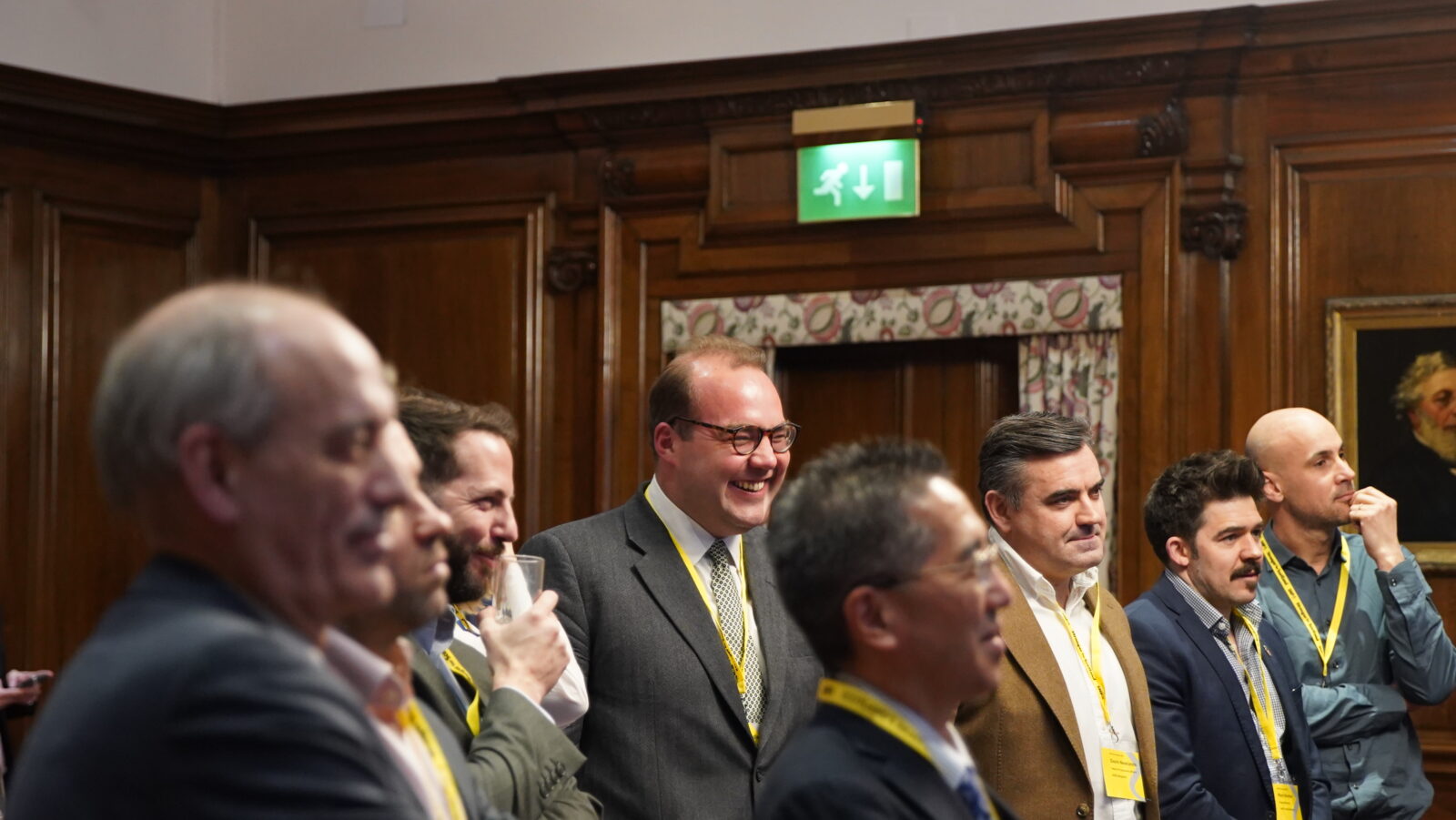
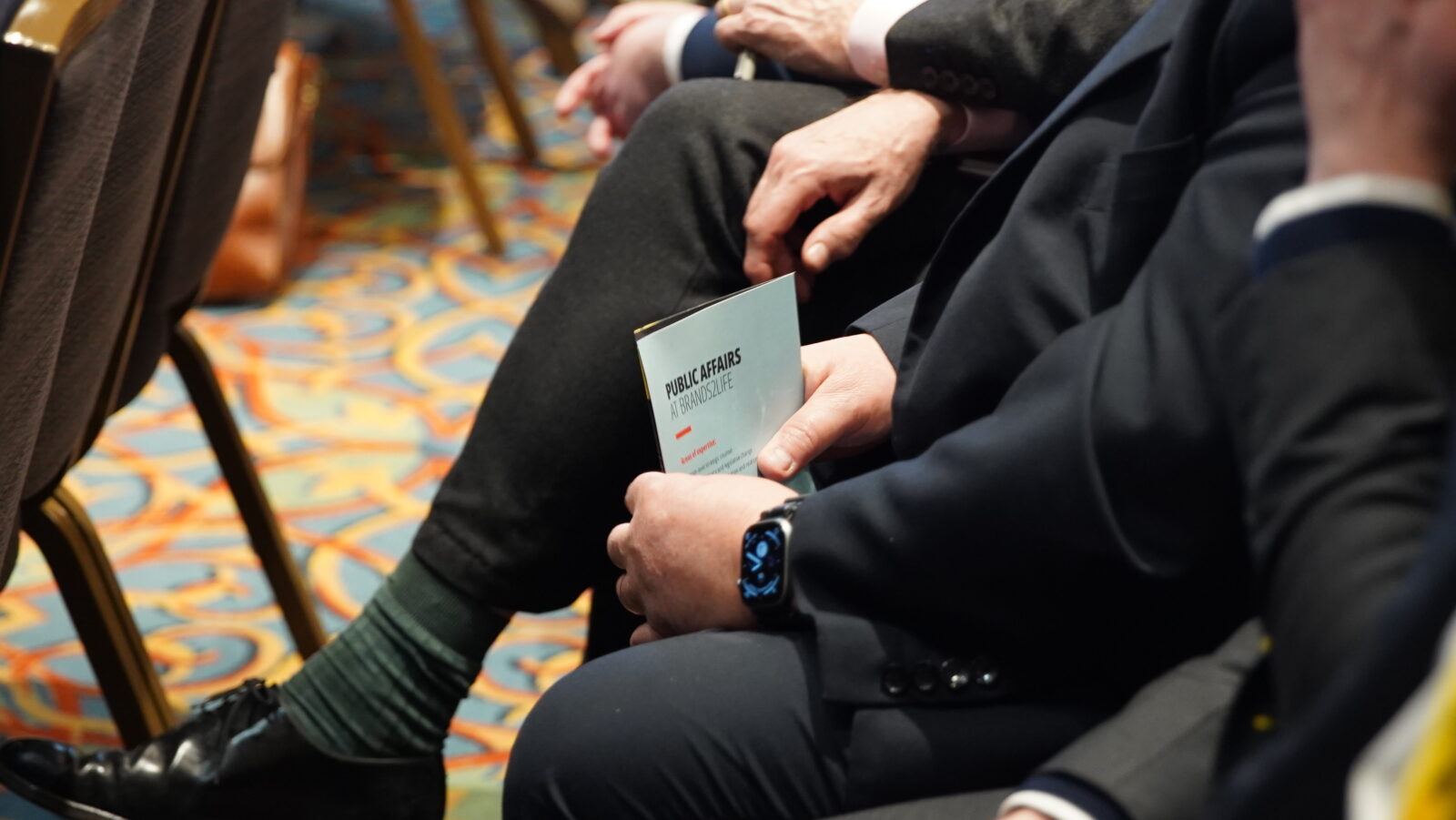
Last Monday, the most senior figures in the SNP and the Scottish Government descended on Westminster for their first ever London Business Day, facilitated by Brands2Life.
The SNP have held power in Scotland continuously since 2007 – and polls point to another SNP victory in May, which would secure a further five-year term as leaders of the devolved government at Holyrood. The Scottish Government holds powers over key areas including income tax rates, the NHS in Scotland, education, housing, transport, the environment, and agriculture.
In case you missed it, here are the five key things we learned.
In years gone by, the SNP have been perceived in some quarters to be “anti-business”. Several of the most senior SNP figures were keen to dispel that caricature, including First Minister Rt Hon. John Swinney MSP, who stressed the importance of growing the economy and getting investment into Scotland. Even by hosting a London Business Day it is a symbolic shift and signal that the SNP, and by that virtue Scotland, is open to businesses and keen to engage.
Energy was a key theme throughout the day, being so central to Scotland’s economy. In his Q&A with Rain Newton Smith (CEO, CBI), the First Minister set out how the North Sea oil and gas sector was declining too quickly – whilst renewables were not growing fast enough. This position marks a departure from language we saw only a few years ago from the SNP when Scotland hosted COP26 in Glasgow – and comes at a time when some UK politicians are questioning whether a change of policy is needed in the North Sea, particularly with attacks on oil and gas infrastructure in the middle east. On renewables, we heard from Gillian Martin MSP (Cabinet Secretary for Climate Action and Energy), who emphasised the importance of planning and grid infrastructure in deploying renewables more quickly.
One of the key policy issues discussed was the Apprenticeship Levy in Scotland. The levy applies across the UK to employers with an annual wage bill over £3 million, who must contribute 0.5% of their payroll. However, the way funds are accessed differs between nations. In England, employers can directly use their levy contributions through a digital account to pay for approved training. In Scotland, by contrast, levy funds are allocated to the Scottish Government, which then distributes funding for apprenticeships and skills programmes through agencies such as Skills Development Scotland. This means employers have less direct control over how their contributions are used, leading some to view the levy as operating more like a general tax, even though it remains earmarked for skills investment. With the SNP Manifesto just around the corner, it will be interesting to see if calls for reform have landed.
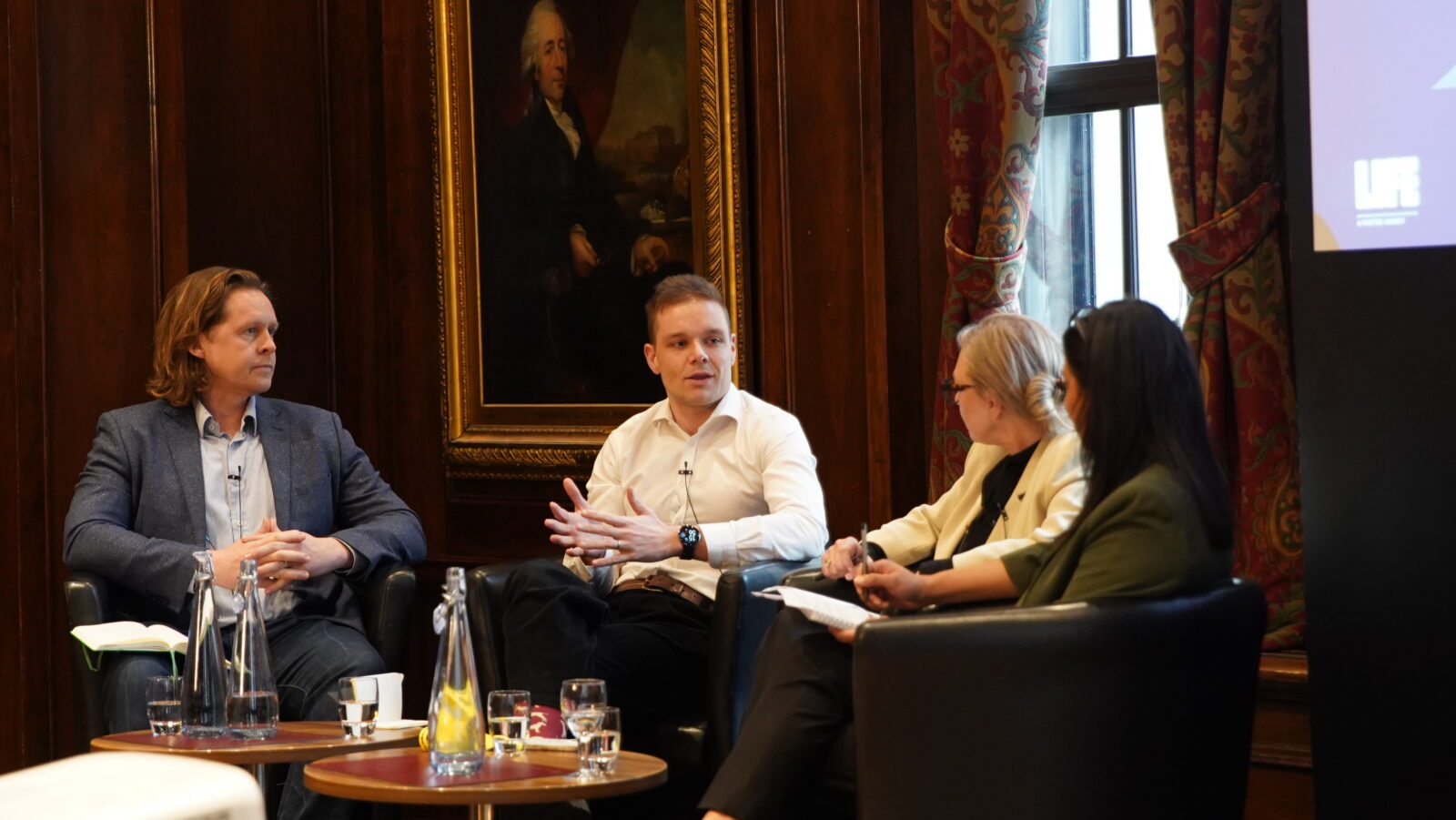
London is one of the tech capitals of the world – and amongst a small handful of cities that shape the global tech industry, especially in fintech, AI, and startups. It was clear from the likes of Kate Forbes MSP (Cabinet Secretary for the Economy and Gaelic), and panels that covered tech and energy, that Scotland is keen to create policy that attracts investment and opportunity in tech. On AI and data centres, Scotland has the energy resources to power these industries, as well as the land and cooler climate, but there are still no large hyperscale data centres in Scotland. Later in the week the Deputy First Minister launched Scotland’s AI Strategy, predicting that the AI sector in Scotland could be worth £23 billion by 2035. On skills, whilst Scotland has world-renowned universities like Edinburgh, Glasgow and St. Andrews, the First Minister signalled how he was disappointed that more visas couldn’t be provided to allow foreign students to stay in Scotland and work after their studies.
Stephen Flynn, who is currently the MP for Aberdeen South – and Leader of the SNP at Westminster, is running to be an MSP in the Scottish elections in May. The switch from Westminster to Holyrood is seen by many as laying the ground to eventually succeed the current First Minister and SNP Leader, John Swinney. In a wide-ranging interview hosted by veteran Scottish broadcaster Bernard Ponsonby, Flynn made clear that the SNP needs to focus again on the economy and delivering opportunity.
Across the day, one theme came through more clearly than any other: the SNP is trying to reset its relationship with business. From a more open tone on investment, to a pragmatic shift on energy, to a renewed focus on skills and tech, there is a clear recognition that economic credibility will be central to the next election – and beyond.
For businesses, that presents both opportunity and responsibility. Opportunity, because there is a government actively seeking engagement and investment. Responsibility, because those who engage early will be best placed to help shape the policy environment that emerges from the next SNP manifesto and the coming parliamentary term.
If you would like to be in the room next year – or find out more about Brands2Life’s Public Affairs team and how we can support your organisation’s engagement in Scotland and across the UK, please don’t hesitate to let us know.
You can find photos from the day here.





 See all